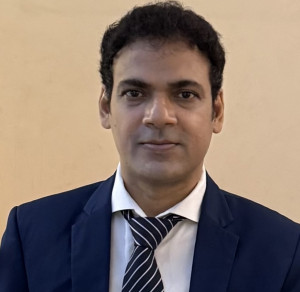
Md. Shariful Islam
(Professor)Department of Political Science
Short Biography:
Professor Md Shariful Islam teaches Political Science at the University of Dhaka, Bangladesh. He served as a Human Rights Commissioner of Bangladesh and as a Member of the National Independent Inquiry Commission (on the BDR Massacre). In both capacities, he held the status of a Justice of the Supreme Court ...
Show more
| Degree Name | Group/Major Subject | Board/Institute | Country | Passing Year |
|---|---|---|---|---|
| Masters | Human Rights Law | University of Hong Kong | Hong Kong | |
| Masters | Political Science | University of Dhaka | Bangladesh |
| Title | Organization | Location | From Date | To Date | |
|---|---|---|---|---|---|
| No experience is found | |||||
Research Interest
| Subject | Description | Research Interest (Goal, Target Indicator) |
|---|---|---|
| No research interest is found | ||
Project/Research Supervision
| Level of Study | Title | Supervisor | Co-Supervisor(s) | Name of Student(s) | Area of Research | Current Completion |
|---|---|---|---|---|---|---|
| No project/research supervision is found | ||||||
Project/Research Work
| Subject | Project Name | Source of Fund | From Date | To Date | Collaboration |
|---|---|---|---|---|---|
| No project/research work is found | |||||
Invited Talk
| SL | Invited Talk |
|---|---|
| No invited talk is found | |
| SL | Collaboration & Membership Name | Type | Membership Year | Expire Year |
|---|---|---|---|---|
| No Collaboration & Membership is found | ||||
| No publication is found. |
| Award Type | Title | Year | Country | Description |
|---|---|---|---|---|
| No award information is found | ||||
Md. Shariful Islam
Professor
Department of Political Science
Faculty of Social Sciences
Email: sharif99bd@gmail.com
Phone: +88-02-9661900/Ext. 6524 (Office)