On September 20, 2026, the Centre for China Studies (CCS), University of Dhaka, organized a seminar titled “China’s Marine Economy: Transformation, Challenges and Future Prospects” at the Seminar Room, Department of Disaster Science and Climate Resilience, University of Dhaka. International Centre for Ocean Governance (ICOG) & Department of Oceanography, University of Dhaka gracefully co-organized the seminar.
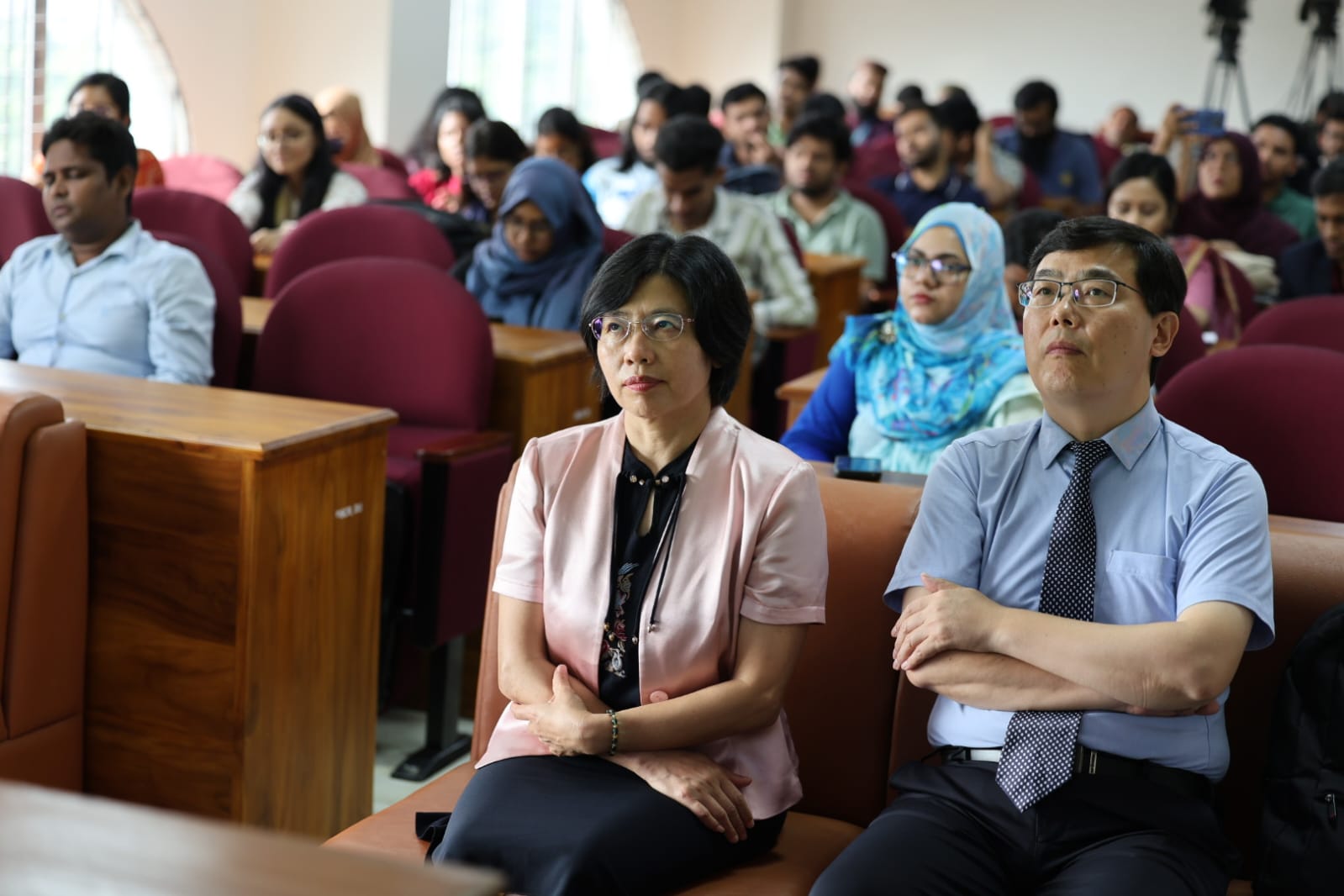
The seminar brought together around 110 teachers and students from different departments for an academic discussion on China’s rapidly evolving blue economy, its structural transformation, sustainability initiatives, and potential lessons for Bangladesh.
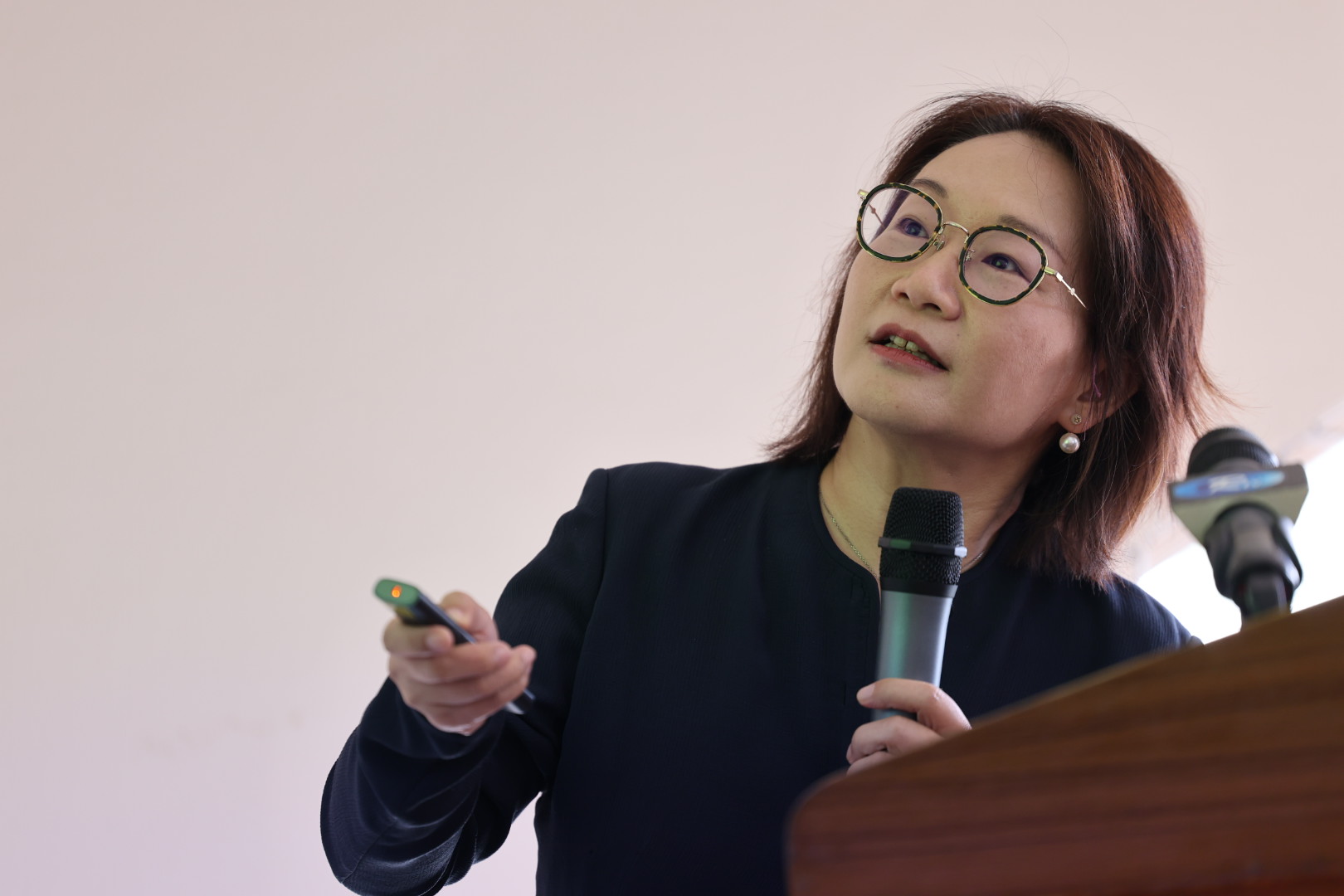
The keynote speaker, Yang Wei, Associate Professor at Shanghai Ocean University and Deputy Director of the China Fisheries Development Strategy Research Center, discussed the rapid development of China’s marine economy and its changing structure. She highlighted that China’s Gross Ocean Product increased from RMB 7.96 trillion in 2020 to RMB 11.02 trillion in 2025, accounting for approximately 7.9% of the country’s national GDP. The services sector represented the largest share of the marine economy at 58.3%, with marine tourism playing a significant role.
Yang Wei also highlighted China’s leading position in the global shipbuilding industry, noting that China accounted for 56.1% of completed orders and 69.0% of new orders. She further noted that China’s total aquatic production reached 76.52 million tonnes in 2025, with 82.7% produced through aquaculture.
Alongside economic growth, Yang Wei addressed the environmental and structural challenges facing China’s marine economy. She noted that marine pollution and disasters caused approximately RMB 8.90 billion in economic losses in 2025. She highlighted China’s efforts to address these challenges through initiatives including improving coastal water quality, restoring coral reefs, reducing plastic pollution, and implementing regular summer fishing bans since 1995.
Moderator Dr. K. M. Azam Chowdhury, Associate Professor, Department of Oceanography, University of Dhaka, and Director of the International Centre for Ocean Governance, emphasized that the most significant aspect of China’s blue economy is not merely its scale but its structural transformation. He noted that China has expanded beyond traditional marine activities such as fisheries and shipping to technology-driven sectors including offshore oil and gas exploration, marine biotechnology, and blue carbon.
Dr. Azam further highlighted that China has undertaken various policy initiatives since 2012 to strengthen the coordination between marine resource management and economic activities. He emphasized that Bangladesh could draw important lessons from China by developing its marine economy through an integrated approach involving technology, research, industry, and environmental management, rather than focusing only on traditional fisheries and shipping. He also stressed the importance of knowledge and experience sharing among researchers and experts in developing practical policies and effective initiatives.
Special Guest Professor Dr. Md. Humayun Kabir, Dean, Faculty of Earth and Environmental Sciences, University of Dhaka, emphasized the importance of connecting Bangladesh with China’s knowledge and research in marine science. He noted that the ocean should not be viewed solely as an economic resource but also as an important field of higher education, research, and knowledge generation.
Professor Kabir highlighted opportunities for joint research, faculty and student exchanges, training, and academic collaboration between the University of Dhaka and Chinese marine science institutions. He encouraged Bangladeshi students to explore higher education and research opportunities in China, particularly in marine science, marine environment, climate change, coastal management, and the blue economy. He further emphasized the need to strengthen marine science education and research at the university level to develop the skilled human resources required to realize Bangladesh’s maritime potential and the opportunities of the Bay of Bengal.
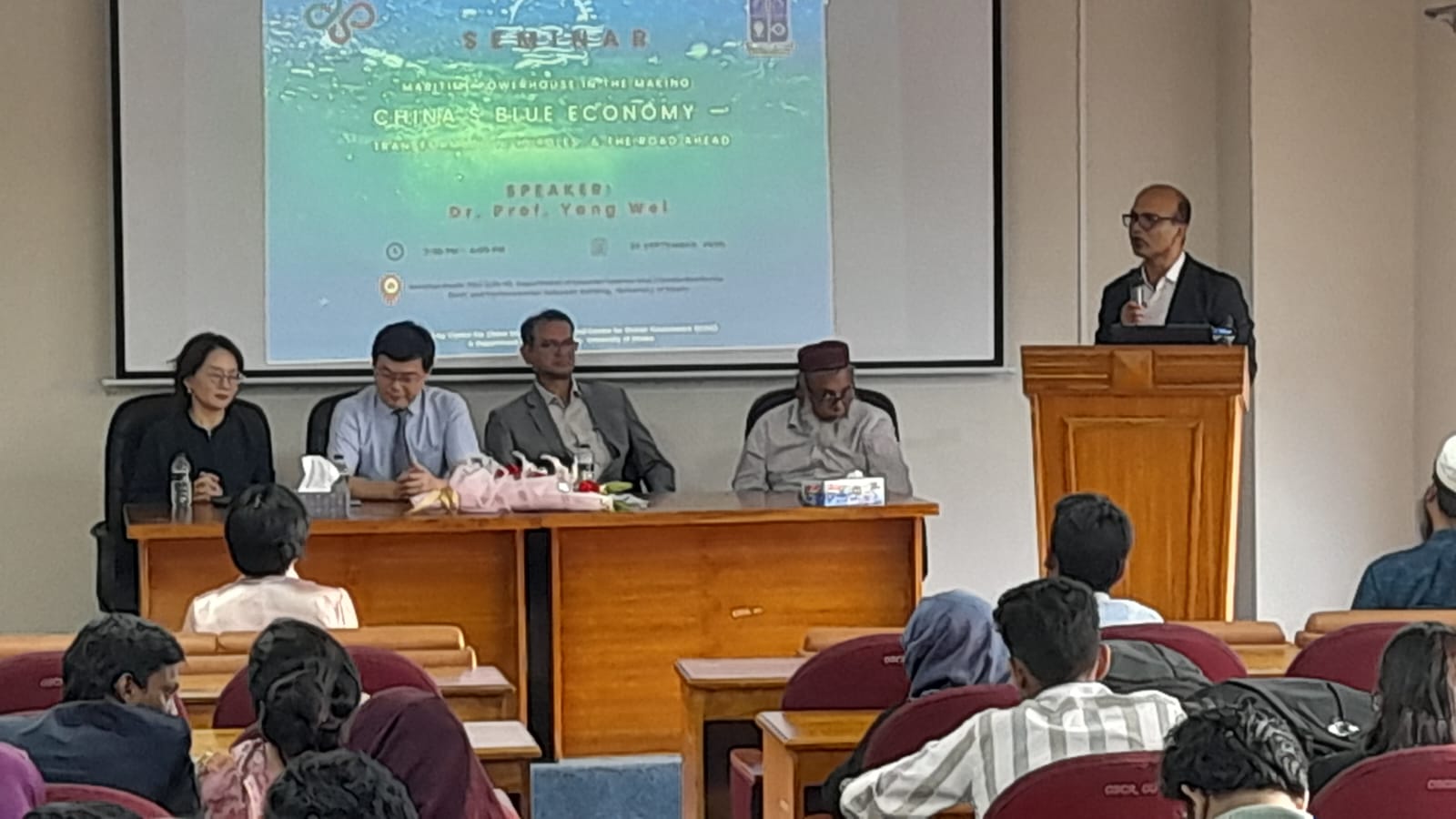
The seminar concluded with an engaging question-and-answer session, providing participants with an opportunity to further discuss China’s experience, Bangladesh’s maritime opportunities, and potential areas for academic and research cooperation. At the conclusion of the programme, Yang Wei was presented with a crest and gift in recognition of her participation.
The seminar represents another meaningful initiative by the Centre for China Studies to promote academic exchange, knowledge sharing, and deeper Bangladesh–China cooperation in emerging areas of mutual interest, particularly marine science, blue economy, research, and sustainable development.
